

 Tessa Bernadette B. Montero , RND
Introduction
Have you ever stood in front of the milk section at the grocery store? And wondered which one to buy?
The choice between fresh milk and powdered milk has evolved into a delightful array of options! Today, supermarket shelves boast a diverse selection of milk products, each offering unique benefits. With so many choices available, it's exciting to explore which type of milk best suits individual preferences and nutritional needs. The ideal milk for one person may differ from that of another, depending on their health conditions, age, and lifestyle. Regardless of the variety, milk continues to be a cherished staple food around the world, enriching diets and supporting health.
Why does Milk still Matter?
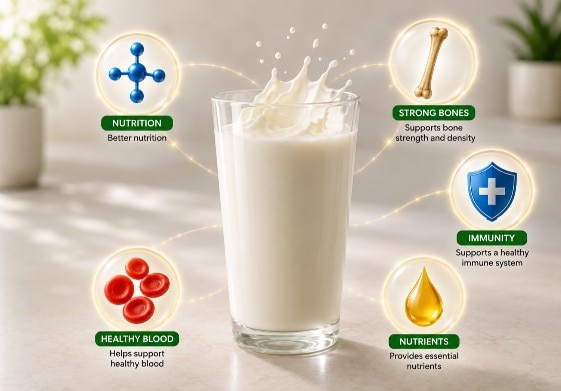
Milk and milk products are among the most widely consumed foods worldwide and are valued for their contribution to nutrient intake across different stages of life. They provide important nutrients such as high-quality protein, calcium, phosphorus, potassium, and various vitamins that support growth, development, and overall health.
Milk is defined as the lacteal secretion obtained by the complete milking of one or more healthy cows and conforms to established standards of identity and quality.
Protein is needed for building and repairing body tissues and maintaining muscle mass. Dairy milk naturally contains high-quality protein that provides all essential amino acids, with better digestibility and bioavailability than most plant-based proteins. This protein is composed of casein (about 80%), which is slowly digested to provide a sustained release of amino acids, and whey (about 20%), which is rapidly absorbed to support immediate protein needs. The Protein Digestibility-Corrected Amino Acid Score (PDCAAS), which evaluates protein completeness and digestibility, rates milk protein at the maximum value of 1.0, classifying it as a high-quality protein.
Milk is also well known for its calcium content, which is essential for strong bones and teeth. Vitamin D works alongside calcium to support bone health by improving calcium absorption. Milk is also well known for its calcium content, which is essential for strong bones and teeth. In milk, calcium is primarily present as calcium phosphate, a form that contributes to the structure and mineralization of bones and teeth. Vitamin D works alongside calcium to support bone health by enhancing calcium absorption and utilization in the body. Beyond its calcium content, milk is recognized as an efficient dietary source of calcium because the mineral is readily absorbed by the body. Studies have shown that calcium absorption from dairy products averages approximately 30%, a level comparable to or higher than many commonly consumed calcium-containing foods. Furthermore, milk naturally provides other nutrients that support skeletal health, including phosphorus, high-quality protein, potassium, and, in many countries, added vitamin D, creating a nutrient matrix that promotes bone mineralization and maintenance.
In contrast, the absorption of calcium from some plant foods can vary considerably because naturally occurring compounds such as oxalates and phytates may inhibit calcium utilization. In the Philippines, recent findings from the 2021 Expanded National Nutrition Survey revealed that more than 95% of Filipino adults and older persons have inadequate calcium intake, highlighting the need for greater consumption of calcium-rich foods. Notably, milk remains a significant contributor to calcium intake among Filipinos and has been associated with improved nutrient adequacy and better growth outcomes among children. Therefore, milk and dairy products continue to be among the most practical and reliable dietary sources of calcium for meeting daily requirements and supporting lifelong bone health.
In addition, milk can contribute vitamin B12, which supports nerve function and red blood cell formation, and potassium, a mineral important for muscle function and blood pressure regulation. The amount of these nutrients varies across milk varieties, making it important for consumers to compare nutrition labels and choose products that best meet their individual needs (Akyil et al., 2025).
Understanding Different Types of Milk
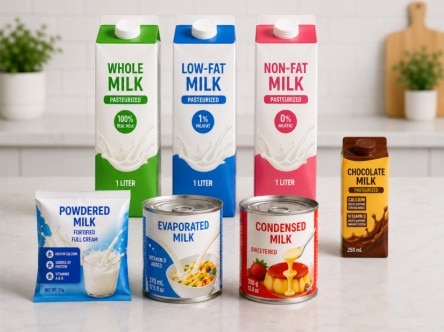
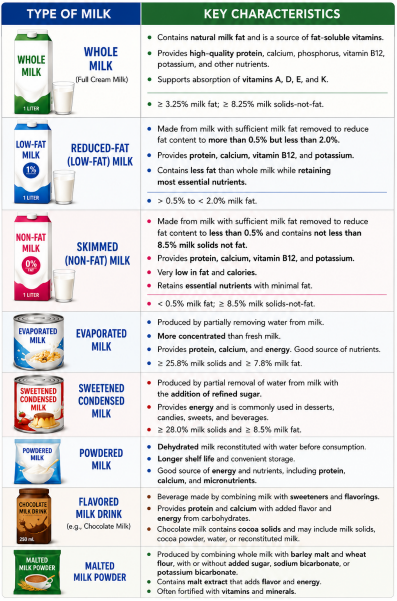
With the growing variety of cow's milk products available today, consumers have more choices than ever before. Milk is available in different forms and fat levels, including whole milk, low-fat milk, non-fat milk, chocolate milk, powdered milk, evaporated milk, and condensed milk. Each type has distinct nutritional characteristics, flavors, processing methods, and culinary applications that may suit different dietary needs, preferences, and intended uses.
Understanding the nutritional strengths, benefits, and appropriate uses of each type of milk can help consumers make informed choices that align with their health goals, dietary requirements, and lifestyle preferences.
Choosing the Milk that Fits your Needs
With the wide variety of milk products available in the Philippines today, choosing the most suitable option can seem overwhelming. From fresh milk and powdered milk to evaporated milk, each product offers nutritional benefits and can serve different purposes in the diet.
The key is to recognize that there is no one-size-fits-all approach. Nutritional needs vary across the life stages and are influenced by factors such as age, health status, activity level, dietary preferences and lifestyle. For example, children and adolescents require adequate amounts of protein, calcium and other nutrients to support growth and development. Adults may prioritize options that fit their health goals and dietary patterns, while older adults may benefit from nutrient-dense choices that support bone and muscle health.
Beyond selecting the right type of milk, it is equally important to consider how milk fits within an overall healthy eating pattern. Milk should complement a balanced diet rich in vegetables, fruits, whole grains and protein-rich foods. Following the principles of Pinggang Pinoy and the Nutritional Guidelines for Filipinos can help ensure that nutrient needs are met while promoting long-term health and well-being.
Milk’s versatility also makes it easy to incorporate into everyday meals and snacks. Whether enjoyed as refreshing beverage, blended into smoothies, added to breakfast cereals, used in creamy soups, or incorporated into favorite Filipino dishes and desserts, milk can contribute both nutrition and enjoyment to the dining table.
As nutrition science continues to evolve and consumer choices expand, understanding the nutritional value of different milk products empowers individuals and families to make informed choices. Reading nutrition labels, considering nutrient needs, and selecting products that align with personal preferences and health goals can help maximize the benefits that milk has to offer. Reading nutrition labels, considering nutrient needs, and selecting products that align with personal preferences and health goals can help maximize the benefits that milk has to offer.
Making Milk Part of Everyday Filipino Diet
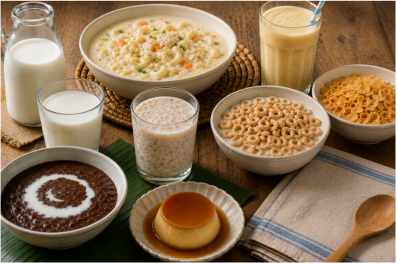
Starting the day with a glass of milk alongside a balanced breakfast can help provide nutrients needed for daily activities. Milk can also be added to whole-grain cereals or overnight oats to create a more nourishing and satisfying meal.
For snacks, milk serves as an excellent base for fruit smoothie, allowing individuals to combine dairy nutrition with fruits such as banana, peach and mango, pineapple or berries. This combination provides protein, calcium, vitamins, minerals, and dietary fiber in a convenient and enjoyable format.
Milk can also be incorporated into savory dishes. In Filipino cuisine milk is commonly used in creamy soups such as Pininhayang Manok, and Chicken Sopas Recipe. Evaporated Milk is often added to soups and sauces to create richness and flavor.
Many well-loved Filipino comfort foods also benefit from the addition of milk. A serving of ward champorado topped with milk not only enhances creaminess but also contributes nutrients that complement the dish. Traditional desserts such as maja blanca, leche flan, and milk-based puddings likewise showcase milk’s versatility while providing added nutritional value.
The Bottom Line
The value of milk lies not in following trends or choosing the most expensive option, but in selecting the type that best supports an individual’s nutritional needs and overall dietary pattern.
Ultimately, the most appropriate milk is one that fits an individual’s needs, preferences and lifestyle, making it easier to build healthy habits that can be sustained over time.



No comments here yet.