
 Kassandra C. Cerio , RND
Have you ever seen a patient lose interest in eating out of the blue?
This scenario is playing out in the metabolic clinics of today. The development of glucagon-like peptide-1 (GLP-1) receptor agonists has dramatically changed the treatment of type 2 diabetes and obesity. For decades, many of the patients in our clinics have been struggling with excessive weight. These new medications are a miracle for many of our patients. They stop having cravings, they lose weight, and for the first time in their lives they don’t feel hungry all the time.
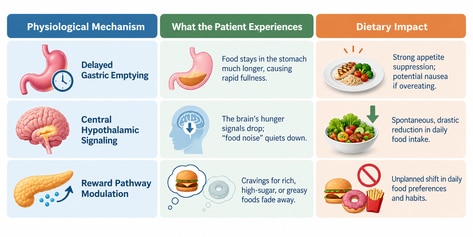
Just because someone has a healthy body doesn’t mean they have a quiet appetite. GLP-1 therapy can decrease a person’s appetite but it doesn’t teach them how to eat properly. While medication may be able to turn a deaf ear to hunger, nutrition in the form of structured Medical Nutrition Therapy (MNT) is the true basis for good health in the long term.
What happens, then, when a person begins taking GLP-1?
We need to understand our patients' physical and behavioral experiences before we can help them.
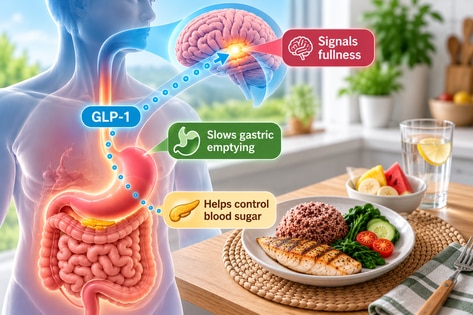
The natural gut hormone GLP-1 is released after we eat. It tells our brain that we are full, slows down the rate at which our stomach empties, and causes the pancreas to control blood sugar. GLP-1 receptor agonist medications mimic this hormone, but they have far longer-lasting effects.
According to international guidelines from the American Diabetes Association (ADA), these treatments are approved for glycemic control for those with type 2 diabetes and chronic weight management in adults with a Body Mass Index (BMI) of 30 kg/m2 or 27 kg/m2, in addition to weight-related conditions like hypertension. Clinical practice often uses even lower cutoffs for obesity (27.5 kg/m2) in Asian populations due to increased cardiometabolic risks at lower body weights.
The Unspoken Risks of Eating "Too Little"
Almost immediately after starting therapy, patients' daily food intake often drops by 30% to 50%. On paper, cutting calories seems like a great way to lose weight. But we see the unanticipated consequences of this sudden downturn in the clinic.
When a patient consumes a very small portion of their usual meal size, it becomes very challenging to meet the basic daily nutrient requirements. Calcium, iron, zinc, vitamin B12, and vitamin D are among the essential vitamins and minerals that frequently exhibit sharp drops.
Even more concerning is the kind of weight loss. In the absence of targeted intervention, clinical research indicates that up to 20% to 40% of the total weight loss on GLP-1 therapy can be attributed to lean body mass, or our skeletal muscle, rather than body fat. Physical weakness, sarcopenic obesity, and a drop in the body's resting metabolic rate are all consequences of muscle loss.
Muscle loss is often accompanied by gastrointestinal (GI) side effects, including nausea, early satiety, constipation, and diarrhea. In order to relieve their nausea, patients often turn to low-protein, refined starches like plain rice or white crackers, depriving themselves of vital nutrients when their bodies most need them.
The Four Pillars of Medical Nutrition Therapy
Since GLP-1 therapy automatically results in a calorie deficit, our goal as RNDs and members of the healthcare team is not to further restrict calories. Rather, we focus on nutrients, to get the most out of each bite.
Pillar 1: Protect the Muscle
- The daily requirement is 1.2 to 1.5 g/kg of actual body weight (up to 2.0 g/kg for older or active adults) because the body needs a lot more protein during weight loss to prevent the body from breaking down muscle.
- The Method: Remind patients to first eat protein, then vegetables or carbs at every meal. They fulfill their protein needs like this without getting a full tummy first. Good quality protein sources that are readily available include eggs, chicken breast, fish filets (tilapia or bangus). Plant options like tokwa (tofu) offer a complete protein while legumes such as monggo are partially complete plant proteins that must be paired with grains like rice to complete their essential amino acid profile.
Pillar 2: Water Yourself
Nausea and slow emptying of the stomach are a constant risk with dehydration.
- Drink 2.0-2.5 liters of water a day.
- Golden Rule: Drink liquids between meals, not during meals. A big glass of water at the time of meal, just fills a lethargic stomach, which makes immediate reflux and causes nausea.
Pillar 3: Fiber for Digestive Comfort
- The recommended amount for women is 21-25 grams per day and for men it is 30-38 grams per day.
- The Plan: Increase water consumption and slowly add more fiber. Soluble fiber, which is calming and helps maintain regular digestion without irritating the stomach lining, include oats, chia, psyllium and cooked root vegetables such as kamote.
Pillar 4: Specific Micronutrients
Whole foods are often not adequate to provide key vitamins when the patient's daily intake is less than 1,200
kcal/day:
| Nutrient | Why It's at Risk | Practical Food Options & Action |
| Vitamin B12 | Reduced gastric acid and smaller food portions | Eggs, lean meats, fortified foods; sublingual supplements if needed. |
| Calcium & Vitamin D | Bone density drops during rapid weight loss | Low-fat dairy, small soft-bone fish (sardinas); supplement if serum levels are low. |
| Iron & Zinc | Meat aversions during nausea episodes | Lean poultry, eggs, tokwa, green leafy vegetables (kangkong, malunggay). |
Efficient Meal Planning and Adjusting Mealtime Schedules
Patients' eating behavior is a major factor affecting GI side effect management. Mild GI symptoms can be reduced by as much as 80% with small changes to eating habits.
Simple Diet Techniques That Make a Big Difference
1. You can relieve pressure on your stomach by mechanically pre-digesting food 20 to 30 times per bite.
2. GLP-1 fullness comes on fast. In order to stop eating immediately, patients must learn to recognize subtle
cues like a sudden loss of flavor, pressure in the chest, or a soft sigh. Pushing past this signal almost always
results in nausea.
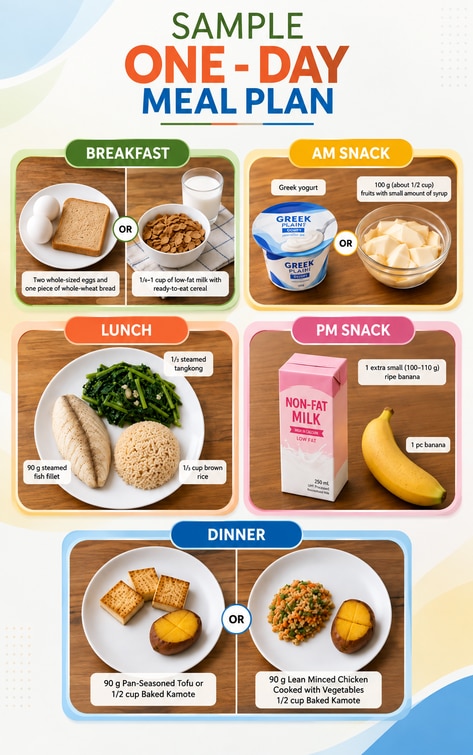
3. Five to six small mini-meals a day (each containing 150–250 calories) are far easier on the digestive system
than the three traditional large meals that are served at breakfast, lunch, and dinner.
RND's Function and What Occurs When Medication Is Stopped
What occurs when a patient stops taking GLP-1 therapy?
Research shows that two-thirds of weight loss may be re-gained by patients within a year of discontinuing treatment. If muscle has been lost on the way, their metabolism is now lower than it was at the beginning and this will accelerate weight gain. Once the drug wears off, the stomach empties faster, and hunger returns in a big way, referred to as a "food noise”.
This is where the Registered Nutritionist-Dietitians (RNDs) are important. The RND can be considered the long term framework while drugs are the training wheels. We guide patients to track their body composition, set up healthy habits with local, easily accessible food, and teach patients how to maintain their progress and maintain their food choices after they have finished with their medications.
The Final Score
Just as there is no one-size-fits-all diet, GLP-1 receptor agonist treatments are undoubtedly a useful asset in today's medication arsenal, but they are not a panacea. Losing weight isn't the only thing that really makes a big difference for health improvements, it's eating smarter, more efficiently. As we work on protein, hydration, getting enough nutrients and developing mindful eating patterns, we should be able to help our patients become long-term, sustainable and healthy.



No comments here yet.